What Factors Affect Skin Integrity in Warmer Weather?
As we move into spring, the shift in weather brings more than just longer days; it introduces specific environmental challenges for tissue viability. For clinicians and carers, understanding the answer to the primary question: “what factors affect skin integrity?” is essential for preventing pressure ulcers and moisture-associated skin damage (MASD).
While pressure redistribution remains a priority, the “microclimate” – the temperature and humidity at the interface between the skin and the support surface – becomes significantly more volatile as ambient temperatures rise.
The Core Pillars of Skin Integrity
To provide holistic care, we need to look beyond pressure alone as several internal and external factors dictate how resilient an individual’s skin remains:
Moisture Levels: Excessive perspiration or incontinence increases skin permeability, making it more susceptible to breakdown.
Temperature: Warmer environments lead to vasodilation and increased metabolic demand in the tissues, which can exacerbate the effects of pressure.
Nutrition and Hydration: A lack of fluids reduces skin elasticity and resilience.
Friction and Shear: Moving a patient in warmer, more humid conditions increases “skin drag,” leading to mechanical damage.
The Spring Shift and Moisture Matters
Spring introduces fluctuating temperatures in care environments and Increased perspiration – combined with changes in clothing or heavier bedding – creates a high-risk environment for skin maceration.
When skin is over-hydrated by moisture, like sweat or exudate, the connective tissue softens which significantly lowers the threshold for pressure damage to occur.
And, as we highlighted in our guide to managing care during heatwaves, proactive temperature regulation is a preventative necessity.
Solutions for Microclimate Management
To protect skin integrity during this seasonal transition, the focus must shift toward breathability, airflow, and fluidised support; this is where specialised positioning aids become clinical essentials, such as positioning pillows or specialised mattresses:
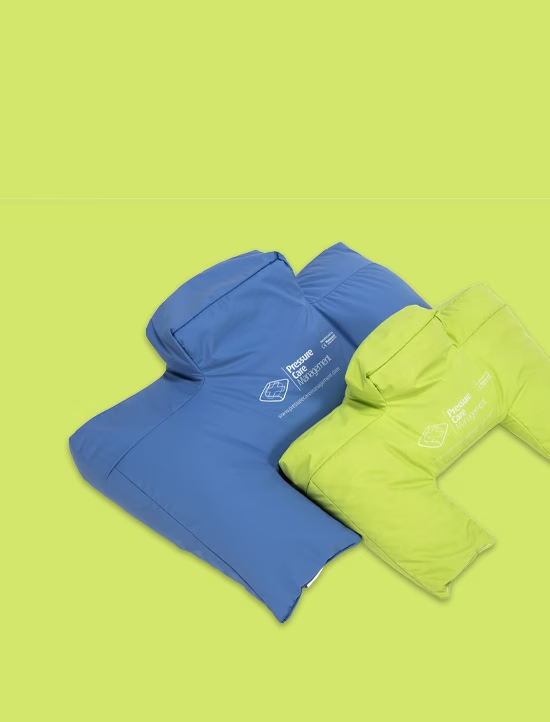
Care Flow Microbead Positioning (formerly Carewave): The Care Flow range is specifically designed to combat heat retention. Unlike standard foam pillows which act as “insulators,” Care Flow cushions are filled with polystyrene microbeads that allow for constant air circulation within the cushion, preventing the “heat trap” effect and ensuring the patient’s skin remains at a stable, neutral temperature.
PosiPerle Filter Technology: The PosiPerle range utilises high-quality microbeads within a hermetically sealed unit. Unlike standard sealed cushions, PosiPerle features a unique integrated filter system that significantly enhances breathability and air exchange, making it a superior choice for maintaining skin integrity.
Flo-Form Fluidised Support: For patients requiring high-level immersion and stability, the Flo-Form range offers a fluidised approach to positioning. Its unique composition allows the cushion to mold precisely to the patient’s anatomy, reducing the risk of localized “hot spots” and friction.
Integrated Ventilation: Ensure mattress systems are designed to support ventilation, pulling moisture away from the skin surface to maintain a dry, stable environment; mattress systems such as the OysterPerle Microbead Mattress
What Factors Affect Skin Integrity in Spring?
By recognising what factors that affect skin integrity as the weather warms, care providers can adjust routines before the peak heat of summer arrives.
Utilising breathable, clinical-grade solutions like Carewave and Posiperle ensures that patient comfort and skin safety are maintained, regardless of the thermometer.