And How Pressure Care Cushions Help
Winter presents additional challenges for individuals who are vulnerable to pressure ulcers. Colder temperatures, reduced mobility, and seasonal illness can all contribute to an increased risk of skin breakdown, particularly for older adults, those with long-term health conditions, or individuals recovering from illness. As activity levels fall and time spent sitting or resting increases, proactive pressure care becomes essential.
Understanding how winter affects the body, and how pressure-relieving equipment can help, allows carers and healthcare professionals to take practical steps to protect skin integrity and support comfort throughout the colder months.
Why Pressure Ulcer Risk Increases in Winter
During winter, people tend to move less. Cold weather, shorter daylight hours, and fatigue often lead to longer periods of sitting or lying in one position. Sustained pressure on areas such as the heels, sacrum, hips, and elbows can quickly compromise blood flow, increasing the risk of tissue damage.
Cold temperatures also affect circulation. Blood vessels naturally constrict in response to the cold, reducing the supply of oxygen and nutrients to the skin. For individuals with existing circulation issues, diabetes, or frailty, this reduction can significantly increase vulnerability to pressure damage and slow the healing process.
In addition, dry winter air can leave the skin fragile and more prone to cracking. When the skin barrier is weakened, it becomes less resilient to pressure, friction, and shear.
How Illness Impacts Pressure Ulcer Risk
Seasonal viruses and respiratory infections don’t just cause fatigue or discomfort; they can significantly increase the risk of pressure ulcer development, particularly for individuals who are already vulnerable. When someone is unwell, appetite and fluid intake often decline. Poor nutrition and dehydration weaken the skin, reducing its ability to withstand sustained pressure.
Illness also limits movement. Increased tiredness, weakness, or breathlessness can make it difficult for individuals to reposition themselves independently, resulting in prolonged pressure on vulnerable areas. Even short periods of reduced mobility can lead to early signs of pressure damage.
Fever and infection further compromise circulation. Prolonged bedrest and changes in body temperature reduce blood flow to the skin and underlying tissues, limiting oxygen delivery and slowing the body’s natural repair mechanisms. Increased moisture caused by sweating can soften the skin, raising the risk of friction and shear.
For individuals with underlying health conditions, these effects are often magnified. In some cases, just one or two days of immobility during illness can be enough for pressure damage to begin, making early intervention and appropriate support critical.
The Role of Pressure Care Cushions
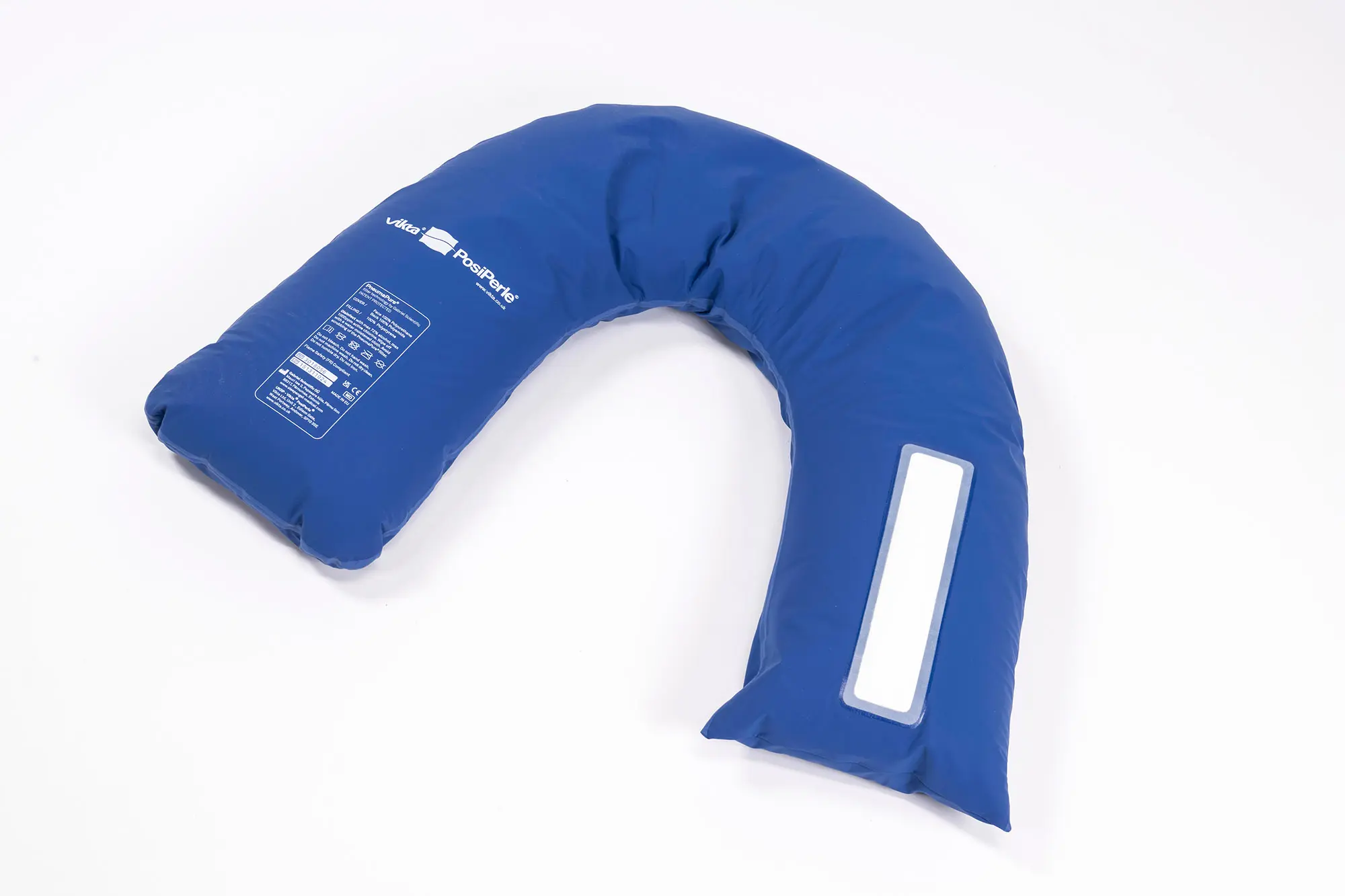
Pressure care cushions are a vital part of preventing pressure ulcers during periods of illness and reduced mobility. By redistributing weight away from high-risk areas, they help reduce sustained pressure and support healthier circulation.
Pressure relief cushions: these are designed to spread pressure evenly, minimising stress on vulnerable skin while providing comfort and stability. They are particularly beneficial for individuals who spend extended periods seated or resting.
Pressure sore prevention cushions: have been created to offer additional protection by adapting to the body’s shape and movement. Specialist fillings help reduce friction and shear while supporting correct posture, making them especially valuable during winter when activity levels may be lower.
Supporting Comfort, Confidence, and Recovery
Effective pressure care supports more than just skin health. When individuals feel comfortable and well supported, they are more likely to rest well, maintain confidence, and engage in daily activities. Preventing pressure ulcers also reduces pain, anxiety, and the risk of further complications, allowing individuals and carers to focus on recovery rather than treatment.
Winter and seasonal illness place additional demands on both individuals and care services. By maintaining regular repositioning, monitoring skin condition, and using appropriate pressure-relieving cushions, carers and healthcare professionals can significantly reduce pressure ulcer risk.
With the right equipment and a proactive approach, pressure care cushions play a key role in protecting skin, supporting wellbeing, and promoting safer, more comfortable care throughout the winter months.
Explore our pressure care cushions designed to reduce risk, improve comfort, and support safer daily care.