A Professional Approach to Repositioning a Patient in Bed
In the clinical environment, consistency is not merely a goal; it is the bridge between a theoretical care plan and a successful patient outcome and, as we move into spring – a season often marked by staff transitions and shifting care demands – maintaining the rigor of pressure-relief schedules becomes a primary challenge for ward managers and home care leads alike.
When repositioning a patient in bed, the objective is more than just comfort; it is the systematic restoration of blood flow to compressed tissues.
The Necessity of Consistency
Repositioning is an essential intervention designed to facilitate “reperfusion.”
When tissues are compressed, blood flow is restricted, leading to an oxygen debt and, if a scheduled move is missed or delayed, the cumulative metabolic damage can lead to rapid skin breakdown.
The gap between the prescribed care plan and real-world delivery is where pressure ulcers develop and to close this gap, clinicians must move away from viewing repositioning as a manual task and treat it as a high-standard clinical routine supported by the right tools.
Best Practice for Repositioning a Patient in Bed
To maintain professional standards and reduce the risk of tissue injury, care providers should adhere to the following clinical principles:
The 22°–30° Tilt Protocol: While a 30° lateral tilt is the standard recommendation for sacral offloading, it is notoriously difficult to maintain with pillows alone. Poor manual positioning or head-of-bed elevation often leads to “postural slump,” which increases harmful friction and shear. To ensure consistency, many services now utilize lateral-tilt systems like the KomfiTilt. By providing a gentler, automated 22° tilt, it is often better tolerated by patients while still achieving the weight redistribution and partial offloading necessary to protect vulnerable tissue.
Eliminating Shear and Friction: Clinicians must be vigilant about “skin drag.” Any manual movement that involves sliding a patient increases shear – the internal tearing of tissue layers; the use of low-friction materials or mechanical aids is non-negotiable for protecting fragile skin.
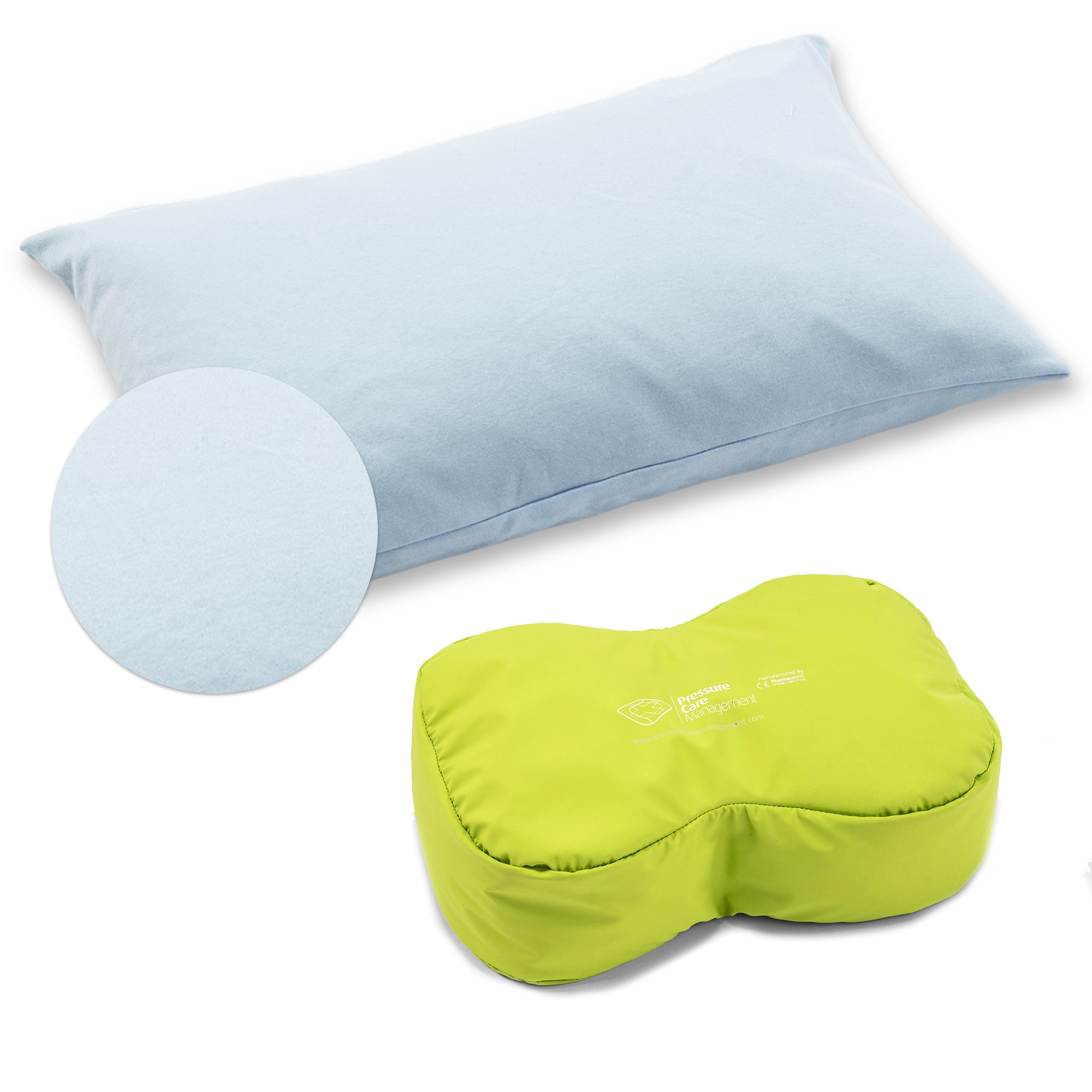
Postural Stability Between Intervals: A repositioning move is only effective if the patient stays in the intended position – patients who slump shortly after a move return to a high-risk state. Professional positioning cushions are required to lock in the posture and ensure offloading lasts until the next scheduled intervention.
Reducing Physical Strain in the Workforce
Clinical excellence cannot be sustained at the cost of staff health where manual handling is a leading cause of musculoskeletal injury among UK nursing and care staff. If the process of repositioning a patient in bed is physically exhausting, consistency will inevitably suffer.
KomfiTilt, Automated Repositioning Support: The KomfiTilt systems address this by providing consistent, gentle repositioning that reduces the physical burden on the carer. By automating the tilt, clinicians can ensure that the frequency of movement is maintained precisely to the care plan, even during busy shifts or periods of low staffing.
Strategic Offloading Solutions: Integrating offloading solutions and specialised positioning aids allows for more effective “micro-repositioning.” These tools reduce the frequency of high-exertion manual moves while maintaining superior tissue protection, creating a safer environment for both the patient and the professional.
Elevating the Standard of Care
Consistency in repositioning is a marker of clinical discipline and by viewing repositioning a patient in bed as a high-stakes clinical procedure and utilising advanced tools like the KomfiTilt, care teams can maintain the highest standards of safety and efficacy throughout the seasonal transition and beyond.