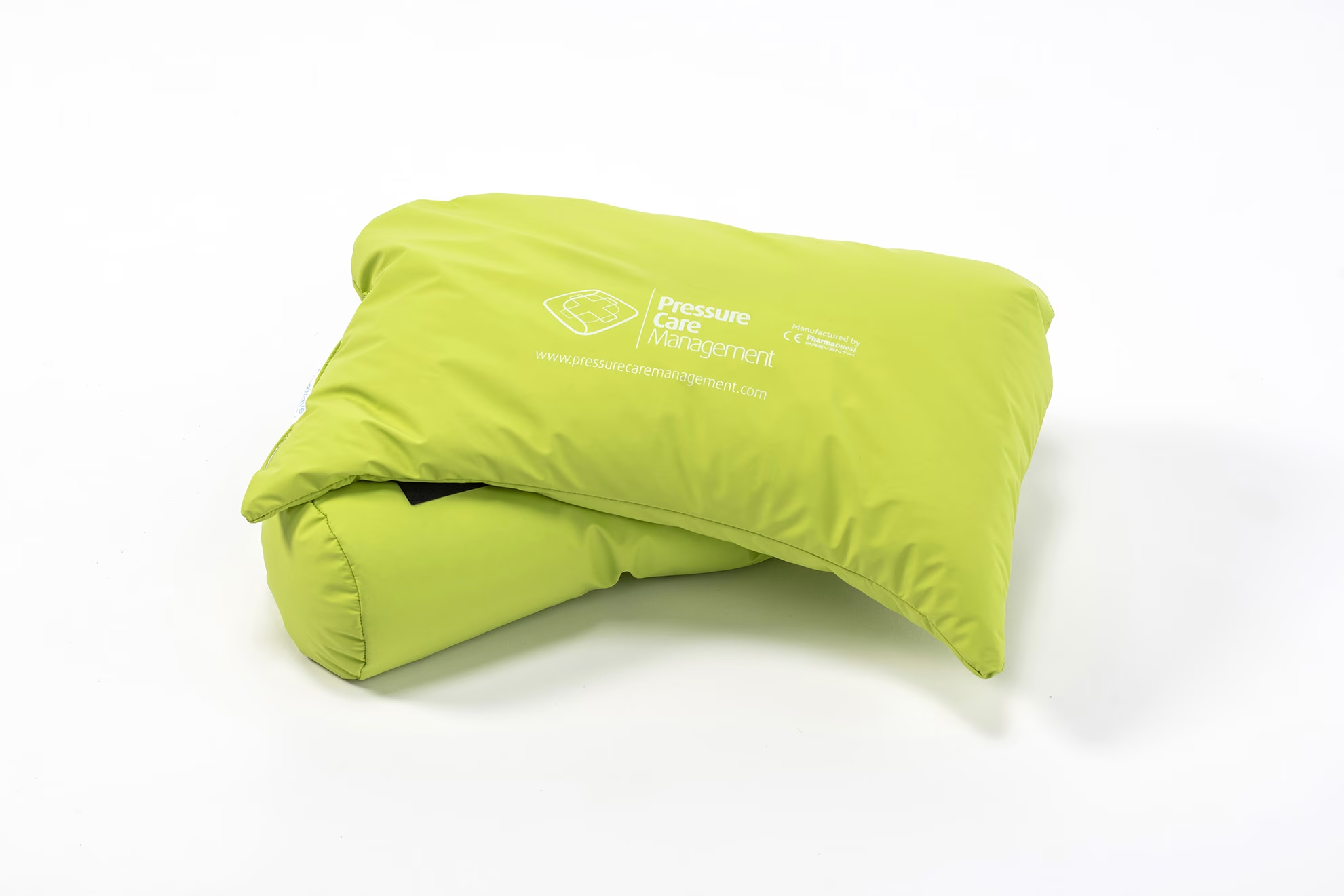
How to Prevent Pressure Ulcers in the Hospital with Effective Pressure Offloading
Pressure ulcers continue to present a significant challenge across hospitals and clinical care environments. For patients with limited mobility or complex health needs, the risk of pressure-related skin damage can increase rapidly without appropriate intervention. While prevention relies on multiple factors, effective positioning and pressure redistribution remain central to best practice.
Offloading positioners play a critical role in reducing pressure ulcer risk, supporting tissue health, and improving patient comfort. When used as part of a structured prevention strategy, they help healthcare professionals deliver safer, more consistent pressure care.
Pressure Ulcer Risk in Hospital Environments
In hospital settings, patients often spend extended periods in bed or seated, frequently with limited ability to reposition independently. Sustained pressure on areas such as the heels, sacrum, hips, and elbows can quickly compromise blood flow, leading to tissue damage and skin breakdown.
Additional pressures, including high patient turnover, reduced staffing, and competing clinical priorities, can make consistent repositioning difficult. During acute illness, post-operative recovery, or critical care, reduced sensation, fatigue, and impaired circulation further increase vulnerability, making reliable pressure management essential.
Using Offloading Positioners to Reduce Risk
Preventing pressure ulcers in the hospital requires a proactive, prevention-led approach. Offloading positioners are a well-established component of effective pressure care strategies, providing consistent pressure redistribution while supporting correct alignment.
By maintaining stable positioning and reducing friction and shear, offloading positioners help protect vulnerable areas during periods of prolonged immobility. They are particularly valuable between scheduled repositioning, overnight, or during extended recovery periods when patient movement is limited.
Used appropriately, they can also support safer patient handling, reduce manual repositioning demands, and help maintain reliable pressure management across wards and departments.
Supporting Skin Integrity with Effective Pressure Care Equipment
Alongside risk assessment, skin inspection, and repositioning, specialist pressure care equipment plays a vital role in protecting skin integrity. Offloading positioners help ensure pressure relief is maintained consistently, even when repositioning intervals are extended.
By reducing peak pressure points and supporting posture, they assist in minimising the risk of deterioration and help standardise pressure care practices across shifts, contributing to safer and more consistent patient outcomes.
Comfort, Dignity, and Clinical Outcomes
Pressure ulcer prevention is closely linked to patient comfort and wellbeing. Individuals who are well supported are more likely to rest comfortably, experience less pain, and feel reassured that their care needs are being met.
Reducing the incidence of pressure ulcers also supports improved clinical outcomes, helping to minimise complications, reduce length of stay, and ease the burden on healthcare teams.
A Prevention-Led Approach to Pressure Care in Clinical Settings
Effective pressure ulcer prevention depends on early intervention, consistent practice, and the use of appropriate equipment. Offloading positioners form a key part of this approach, providing reliable support when risk is highest.
By incorporating pressure offloading into routine clinical care, healthcare professionals can protect vulnerable skin, support recovery, and maintain patient dignity throughout treatment.
Browse Pressure Care Management’s range of offloading positioners and pressure care solutions to support effective pressure ulcer prevention in clinical settings.