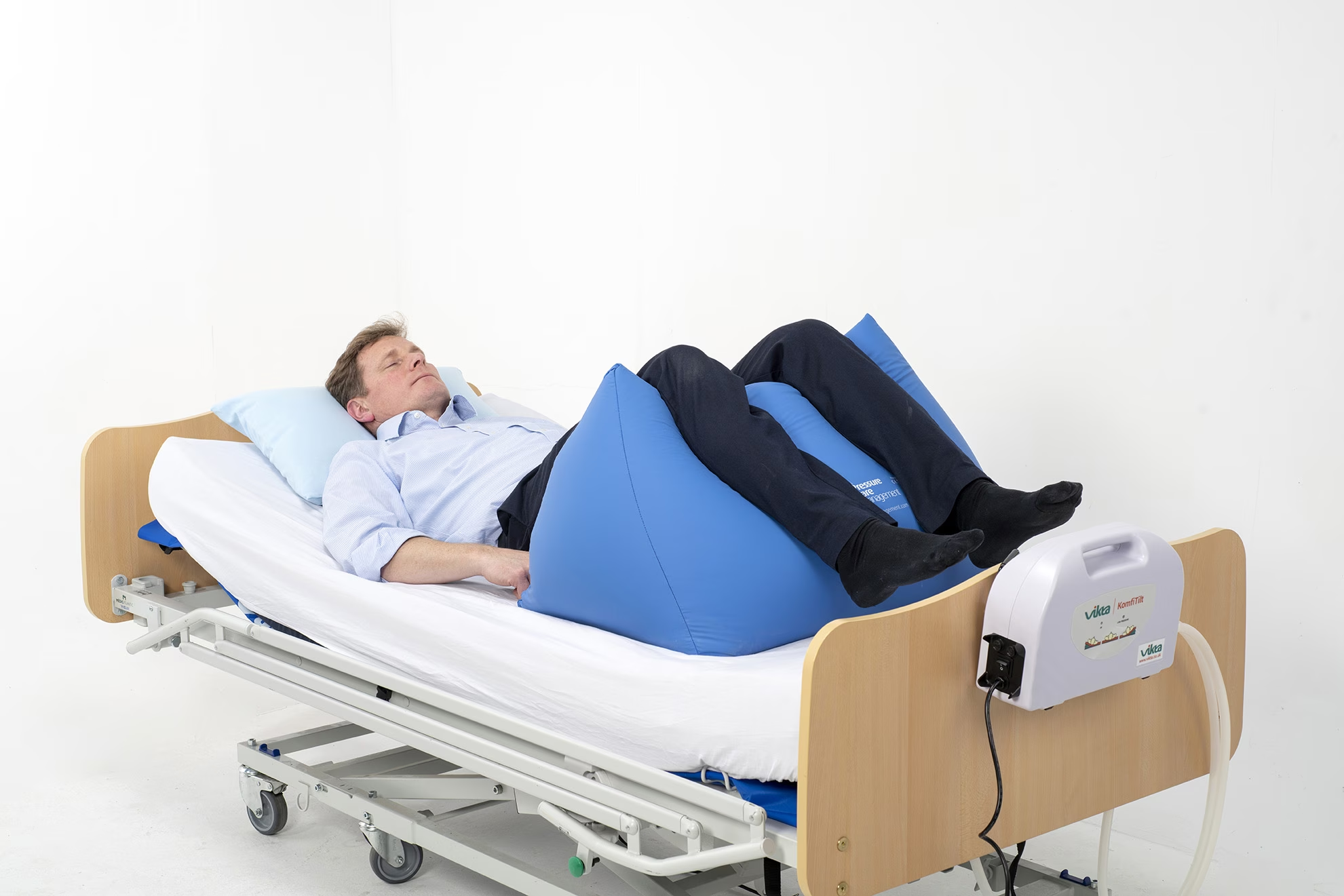
Pressure Care Tips for the Holiday Period
Winter can be a challenging time for patients, carers, and healthcare professionals alike. Colder weather, seasonal illness, and changes to daily routines often result in people spending longer periods sitting or resting in bed. While comfort and warmth are important, these factors can also increase the risk of pressure ulcer development if pressure care is not carefully managed.
During the holiday period in particular – as temperatures drop through winter and festive events take hold – routines may be disrupted and care environments can become busier, making proactive pressure care more important than ever, especially for individuals with limited mobility, long-term conditions, or reduced sensation.
Why Pressure Care Matters More in Winter
As temperatures drop, activity levels often decrease and individuals may move less due to cold, fatigue, or illness, leading to prolonged pressure on vulnerable areas such as the sacrum, heels, and hips. Reduced circulation during colder months can further compromise skin health, increasing the likelihood of tissue damage.
Seasonal illnesses also play a role as, when individuals are unwell, they may experience reduced appetite, dehydration, and increased fatigue, all of which can weaken the skin and slow its ability to recover.
Together, these factors make winter a high-risk period for pressure ulcer development.
Understanding Pressure Sore Stages
Recognising the early signs of pressure damage is essential for prevention. Pressure sores develop in stages, starting with persistent redness or discolouration and progressing to deeper tissue damage if not addressed. Early identification allows carers and healthcare professionals to act quickly, adjusting positioning, improving support surfaces, and preventing further deterioration.
For individuals with reduced sensation or cognitive impairment, regular skin checks are particularly important, as discomfort may not be communicated clearly.
Practical Pressure Care Tips for the Winter Period
Maintaining regular repositioning is essential, even during busy winter periods. When routines are disrupted or staffing levels are stretched, it’s easy for repositioning schedules to slip. Ensuring patients are supported with appropriate equipment can help maintain effective pressure relief even when movement is limited.
Using pressure-relieving seating and positioning products can significantly reduce risk. Cushions and supports designed to redistribute pressure help protect vulnerable areas when individuals spend longer periods sitting or resting, which is common during colder months.
Monitoring skin condition daily remains a vital part of pressure care, as early signs of pressure damage, such as redness, warmth, or changes in skin texture, should be addressed immediately to prevent deterioration, particularly for individuals with reduced sensation or circulation.
Supporting comfort and warmth without increasing pressure is also important; while extra blankets and layers are often needed in winter, care should be taken to ensure they do not restrict movement or increase friction against the skin.
Finally, maintaining good hydration and nutrition supports skin integrity and overall wellbeing. Winter illness and reduced appetite can compromise skin health, so encouraging regular fluid intake and balanced meals plays a key role in pressure ulcer prevention.
The Role of Pressure Care Products
Specialist pressure care products provide consistent support during periods when movement may be reduced. A microbead cushion, for example, adapts to the individual’s shape, offering effective pressure redistribution while maintaining comfort and postural stability.
This adaptability is particularly valuable during the winter months when individuals may spend extended periods seated.
By reducing pressure, friction, and shear, these products help protect vulnerable skin and support safer positioning throughout the day.
Supporting Comfort, Dignity, and Wellbeing
Effective pressure care is not only about prevention, its also about supporting confidence, comfort, and peace of mind. When individuals feel well supported, they are more likely to rest comfortably and engage with daily life, even during the challenges of winter.
With the right approach and appropriate equipment in place, pressure ulcer risk can be significantly reduced, helping to keep patients safe, comfortable, and cared for throughout the holiday period.
Support comfort and safety this winter. Discover pressure care solutions that help protect vulnerable skin during the colder months.