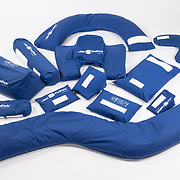
Offloading Positioners and Practical Pressure Care for Home Environments
Treating bed sores at home can be challenging for carers and families, particularly when supporting individuals with limited mobility or long-term health conditions. While clinical advice should always be followed, understanding how pressure ulcers develop and how to manage them safely at home can make a significant difference.
Pressure offloading and correct positioning are central to both treating existing bed sores and preventing further skin damage in home care environments.
Understanding Bed Sores and Early Pressure Damage at Home
Bed sores, also known as pressure ulcers, develop when sustained pressure restricts blood flow to the skin and underlying tissue. At home, this often occurs when individuals spend prolonged periods in bed or seated following illness, surgery, or reduced mobility.
Early signs of pressure damage may include redness, discolouration, warmth, or changes in skin texture. Identifying and responding to these signs promptly is essential to prevent progression and more serious complications.
The Role of Offloading Positioners in Home Pressure Care
Pressure offloading is a fundamental element of safe bed sore management at home. While repositioning is important, it may not always be sufficient; particularly if an individual is unable to maintain a position comfortably or safely.
Offloading positioners help redistribute pressure away from vulnerable areas, reducing sustained pressure and supporting healthier circulation. They also assist with maintaining alignment, reducing friction and shear that can worsen existing sores.
Using Positioning Aids to Support Healing and Comfort
Specialist positioning aids provide targeted support that adapts to the body’s shape, helping individuals remain comfortably positioned for longer periods. This consistency supports healing while reducing discomfort and fatigue.
For carers, positioning aids can also make repositioning safer and more manageable, supporting effective pressure care routines without excessive manual handling.
The Impact of Effective Pressure Care on Wellbeing
Effective pressure care supports both physical and mental wellbeing. Individuals who are comfortable and well supported are more likely to rest well, engage with daily activities, and feel reassured about their care.
Preventing further pressure damage also reduces stress and anxiety for carers and families, allowing focus to remain on comfort, dignity, and quality of life.
Creating a Safer Home Care Routine with Offloading Positioners
Treating bed sores at home requires a proactive, consistent approach. Regular skin checks, repositioning, hydration, nutrition, and appropriate pressure care equipment all play a role in reducing risk and supporting recovery.
Offloading positioners are an important part of this routine, offering reliable pressure redistribution when mobility is limited and risk remains high.
Explore Pressure Care Management’s range of pressure offloading and positioning solutions to support safer, more comfortable pressure care at home.