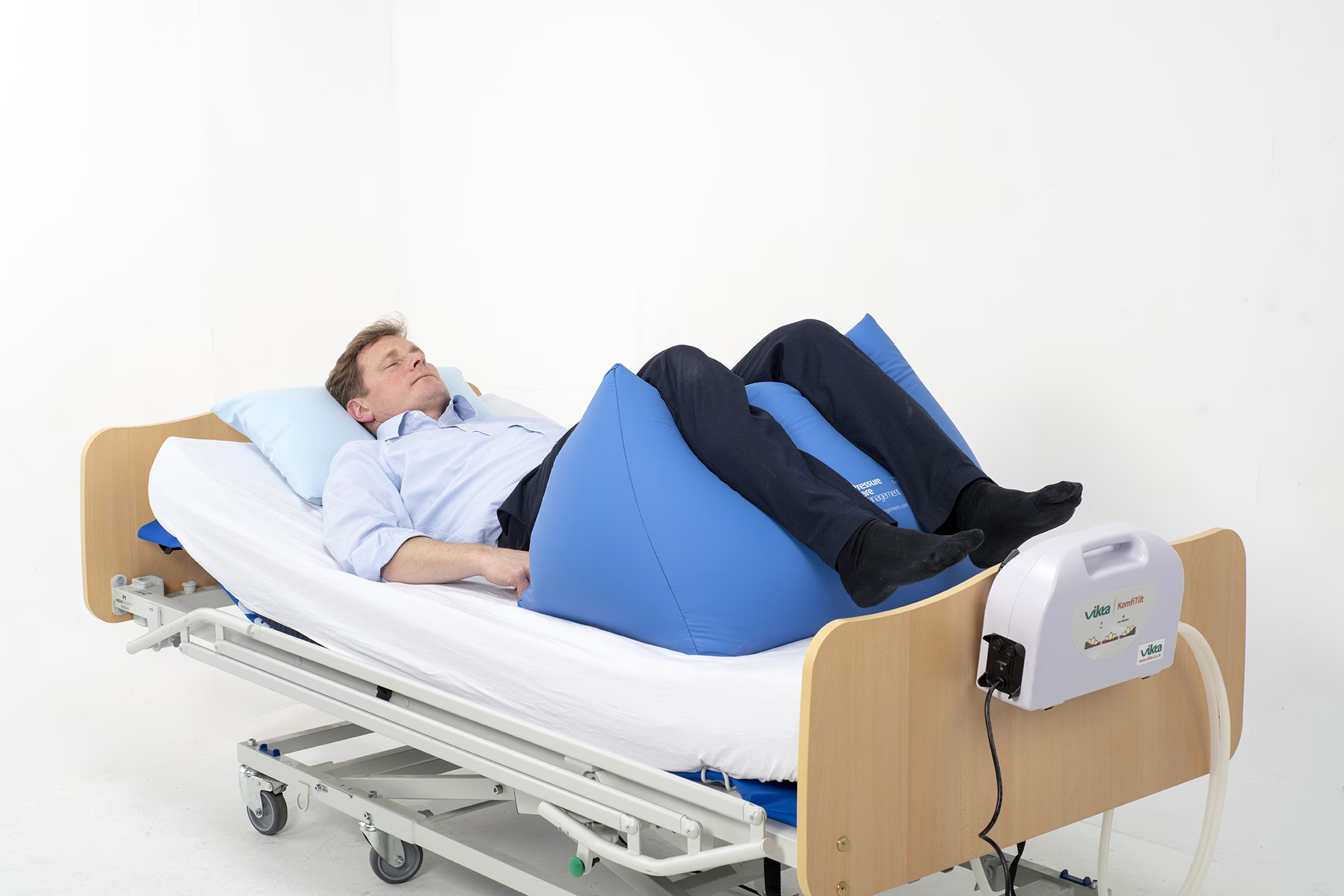
Protecting Vulnerable Skin Following Reduced Mobility
During March’s No Falls Month, attention rightly turns to preventing falls and minimising immediate harm.
However, the effects of a fall often extend beyond the initial incident. Reduced mobility during recovery can place sustained pressure on vulnerable areas, increasing the risk of skin injury and pressure damage.
Reduced mobility, even over a short period, can significantly increase vulnerability to pressure-related complications.
The Immediate Impact of Reduced Mobility
After a fall, individuals may experience pain, bruising, or reduced confidence in movement and, as a result, time spent in bed or seated may increase while recovery takes place. Even subtle reductions in independent repositioning can alter pressure distribution across the body.
When pressure is sustained over bony prominences, circulation to those tissues may become restricted. Without appropriate intervention, this can lead to skin injury and the early stages of pressure ulcer development.
For older adults or those with pre-existing health conditions, skin may already be fragile, meaning damage can occur more quickly than anticipated.
Confidence, Comfort and Movement
Falls often affect more than physical mobility. Fear of falling again can discourage movement, leading individuals to remain in static positions for longer periods. This behavioural response can unintentionally increase pressure exposure.
Supporting safe, supported repositioning is therefore essential during recovery; when individuals feel secure and comfortable, they are more likely to engage in movement, reducing sustained pressure and protecting vulnerable skin.
Skin Protection as Part of Post-Fall Care
Post-fall assessments typically prioritise fractures, head injuries, and immediate trauma, however, any change in mobility should also prompt a reassessment of pressure ulcer risk as introducing appropriate pressure-relieving surfaces, reviewing seating and positioning arrangements, and increasing skin monitoring can help prevent avoidable complications.
By incorporating pressure care into falls management protocols, care teams can reduce the risk of secondary skin injury during rehabilitation.
Prevention During Recovery
Recovery following a fall should focus not only on restoring mobility but also on safeguarding overall wellbeing, confidence and tissue integrity where protecting skin integrity during this period supports comfort, reduces complications, and enables individuals to regain confidence without the added burden of pressure damage.
At Pressure Care Management, we support care professionals with pressure care solutions designed to protect vulnerable skin, promote safe repositioning, and reduce the risk of pressure-related injury during periods of reduced mobility.
Discover our pressure care solutions designed to protect vulnerable skin and support safer recovery in care settings.