At-Home Pressure Ulcer Prevention
Pressure ulcers, commonly known as bed sores, develop when prolonged pressure on the skin disrupts blood flow, causing damage to the skin and underlying tissue.
While these injuries are often associated with hospital settings, many people are at risk in their own homes, especially those with limited mobility, long-term illnesses, or recovering from surgery.
For family carers, the challenge is to maintain comfort and skin health without the constant presence of medical staff. This means learning how to recognise the early signs of skin damage, implementing consistent pressure ulcer prevention routines, and using the right pressure care products.
Spotting Early Warning Signs
The sooner a pressure ulcer is identified, the easier it is to treat and prevent progression. Even small changes in the skin can indicate that damage is beginning, so it’s important to know what to look for and act quickly.
One of the most common early indicators is persistent redness that does not fade when the area is relieved of pressure. This may be accompanied by warmth, which can suggest increased blood flow as the body tries to repair tissue.
Warmth or swelling in a specific area can signal inflammation, while skin that feels unusually cool may indicate reduced circulation – a sign that tissue is not receiving enough oxygen.
Changes in skin texture are also a warning sign. The skin may feel firmer than surrounding areas, indicating swelling beneath the surface, or softer, suggesting early tissue breakdown. These differences are often easier to detect by touch than by sight, so carers should gently run their hands over high-risk areas during daily checks.
As damage progresses, small open sores or blistering can appear. At this stage, the risk of infection increases, and immediate intervention is required to prevent the wound from worsening. Blisters filled with fluid should never be burst, as this can introduce bacteria into the skin.
By staying alert to these subtle changes and responding immediately, through repositioning, reducing pressure on the affected area, and seeking professional advice, carers can significantly reduce the likelihood of an ulcer developing into a more serious wound.
Check high-risk areas daily, including the heels, hips, lower back, elbows, and shoulders. In people who spend long periods sitting, pay special attention to the buttocks and thighs.
Positioning and Movement Strategies
Movement is the most effective defence against pressure ulcers. Repositioning changes the location of pressure points, allowing blood to flow freely to the skin and underlying tissues.
General recommendations include:
Bed-bound individuals: Change position at least every two hours.
Those in chairs or wheelchairs: Shift weight every 15–30 minutes if possible, and change position every hour.
Use cushions or wedges: Position them to offload pressure from vulnerable areas, but avoid placing them directly under bony prominences.
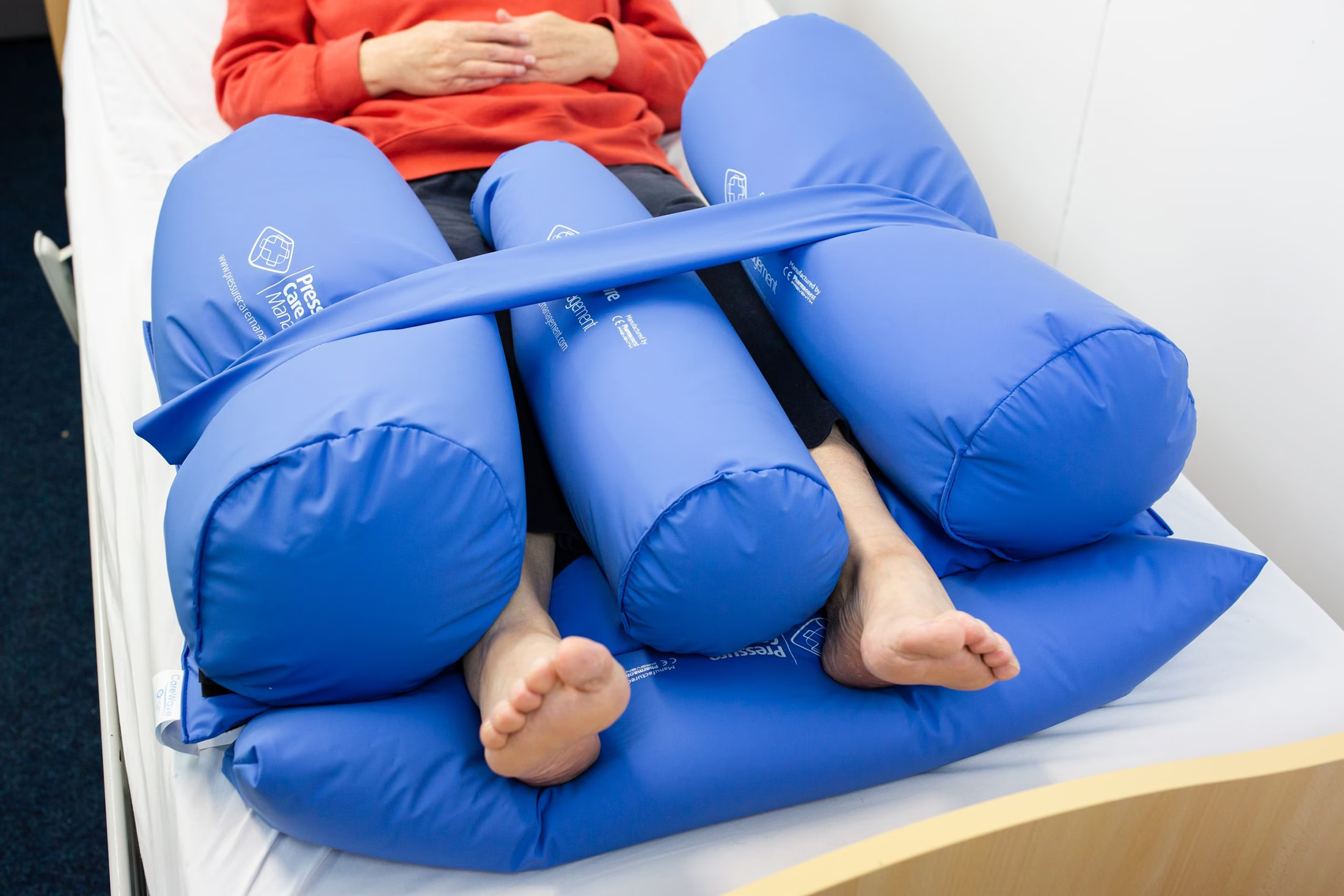
For home settings, products like our Carewave Positioning Cushions can help achieve comfortable and supportive positions, reducing the strain on carers and improving the effectiveness of repositioning.
Maintaining a Healthy Skin Environment
The condition of the skin is just as important as how pressure is managed. Moisture from perspiration, incontinence, or wound drainage can weaken skin and increase the risk of breakdown. On the other hand, excessively dry skin can crack and lose elasticity.
At-home prevention includes:
- Keeping skin clean and dry, using gentle cleansers instead of harsh soaps.
- Applying moisturisers to prevent dryness, but avoiding over-saturation.
- Ensuring smooth bedding free from wrinkles that can cause friction.
The Role Of Nutrition and Hydration
Healthy skin needs adequate nutrients and hydration to repair itself and resist damage. Encourage a balanced diet rich in protein, vitamins C and E, and zinc. Adequate fluid intake is essential to maintain skin elasticity and overall health. For those with restricted diets, consult a healthcare professional for tailored advice.
The Role of Specialist Equipment in At Home Care
Pressure-relieving cushions and mattresses are invaluable tools in at-home prevention. They help distribute weight evenly, reduce pressure on high-risk areas, and improve overall comfort.
For example:
- The OysterPerle Microbead Mattress molds to the body, providing even pressure distribution for bed-bound individuals.
- PosiPerle Postural Positioning Cushions are lightweight and versatile, ideal for adjusting positions throughout the day.
- CareFlow (formally Carewave) products can be tailored for different body shapes and needs, offering adaptable solutions for long-term use.
When combined with consistent repositioning and daily skin checks, these products can make a significant difference in preventing pressure ulcers at home.
Working with Professionals At Home
Even when caring for someone at home, professional input is incredibly valuable. District nurses, occupational therapists, and physiotherapists can offer guidance on equipment selection, positioning techniques, and skin monitoring. Pressure Care Management also provides product assessments to help you choose the most effective solutions for your specific circumstances.
Pressure Ulcer Prevention At Home
Preventing pressure ulcers in a home setting requires vigilance, the right tools, and consistent routines. By recognising early signs, maintaining good positioning habits, caring for the skin, and using specialist cushions and mattresses, carers can protect the health and comfort of their loved ones.
At PCM, we understand the challenges of home care and provide a range of products designed to make prevention more effective and manageable. Our solutions, combined with practical advice and professional support, help keep those at risk safe and comfortable where they belong: at home.
Caring at home doesn’t have to mean facing pressure ulcer prevention alone. Our cushions, mattresses, and positioning products are designed to make home care safer, easier, and more effective.
Contact Pressure Care Management today to find out how we can help protect your loved one’s comfort and wellbeing.